
overview
What is a flatbed cutter?
A flatbed cutter is a digital cutting system that cuts, creases, routes and mills flat sheet material on a fixed table, using interchangeable tools instead of dies.
You send a file, the table does the rest. Because the cutting path comes from your design data, you can move from one job to the next without waiting on tooling, and without paying for it. That makes a flatbed cutter equally at home on a single prototype and on a full production run.
The tools are what make it versatile. Knives, creasing wheels, routers and milling tools all mount on the same machine, so one table covers a wide range of materials and finishing steps.
THE RIGHT SOLUTION FOR YOUR NEEDS
Every challenge deserves the right answer
A cutting table has to hold up against different demands at once. Here is how our cutting tables answer each of them.
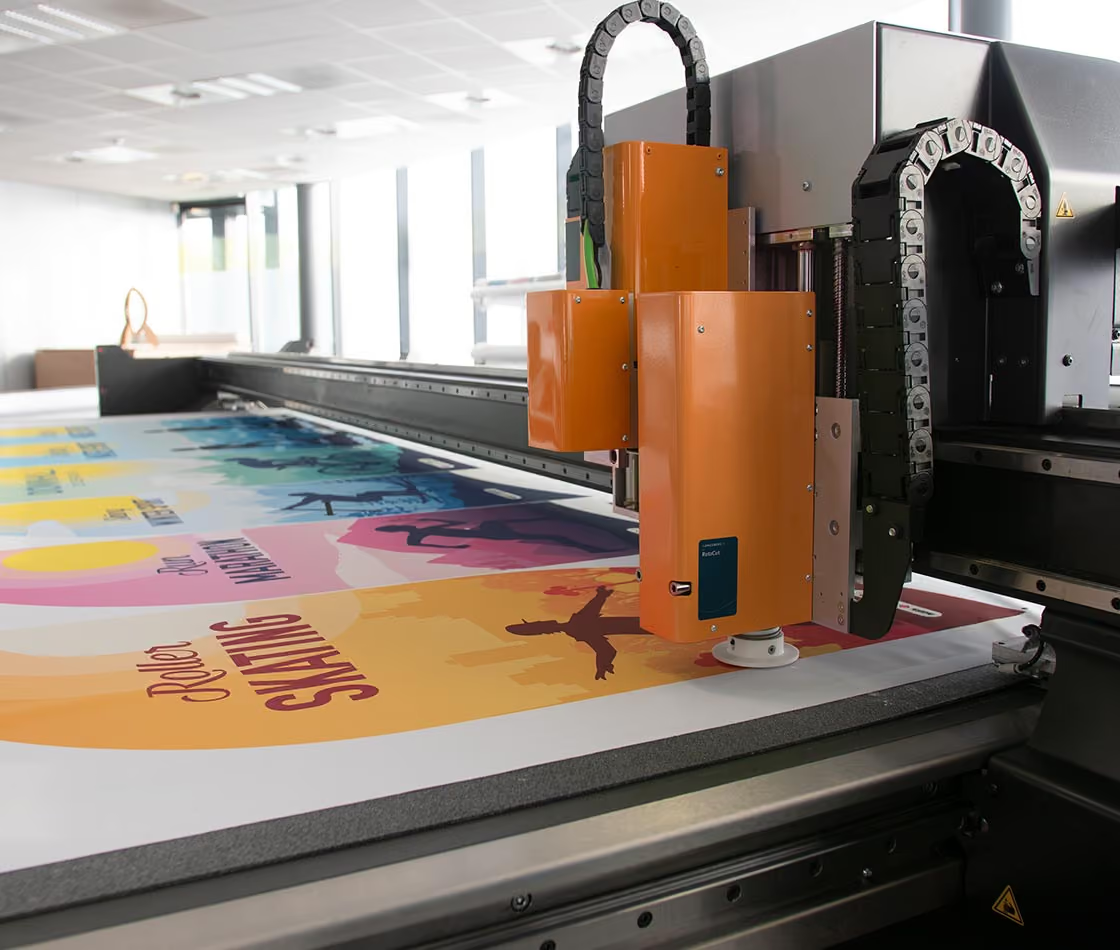
Benefits
Why choose a flatbed cutter?
You want a solution that delivers fast ROI without the need for expensive dies or complex setups. With a Kongsberg flatbed cutter, you can quickly expand your service offerings and take on diverse jobs, all while ensuring long-term reliability and minimal maintenance costs.
- Fast ROI, with no investment in dies or tooling per job.
- Quick setup times and high-speed performance, so tight deadlines and short-run jobs stay comfortable.
- Versatility across materials, keeping your workflow running smoothly from one job to the next.
- Intuitive controls and interchangeable tools, so operators move between tasks effortlessly.
- Consistent, precise results on every job, whatever the material.
- Long-term reliability with minimal maintenance costs.
Compare
Flatbed cutter, die cutting, CNC router, or laser?
See how Kongsberg PCS enables customers to produce faster, safer, and more efficiently without limiting imagination.
Flatbed cutter vs die cutting
- Die cutting is efficient once the die exists.
- A flatbed cutter skips that step entirely, so prototypes, short runs and versioned jobs become profitable.
- Many producers run both, using the flatbed cutter for everything the die-cutting line can't justify.
Biggest benefit
No dies, so short runs and versioned jobs are profitable.
Flatbed cutter vs CNC router
- A router excels at heavy machining of thick, rigid stock.
- A flatbed cutter covers routing too, and adds knife cutting and creasing for board, textiles and flexible materials on the same table.
Biggest benefit
One table covers routing plus knife cutting and creasing
Flatbed cutter vs laser
- A flatbed cutter cuts mechanically with a blade instead of a beam, keeping a wider material range in play, including board and foam, with clean edges and no burn marks.
- Laser suits specific materials and edge finishes instead.
Biggest benefit
Wider material range, no burn marks
Cutting systems
Which Kongsberg flatbed cutter fits your production?
Three ranges, three different production realities. Start with what you make and how often you make it.

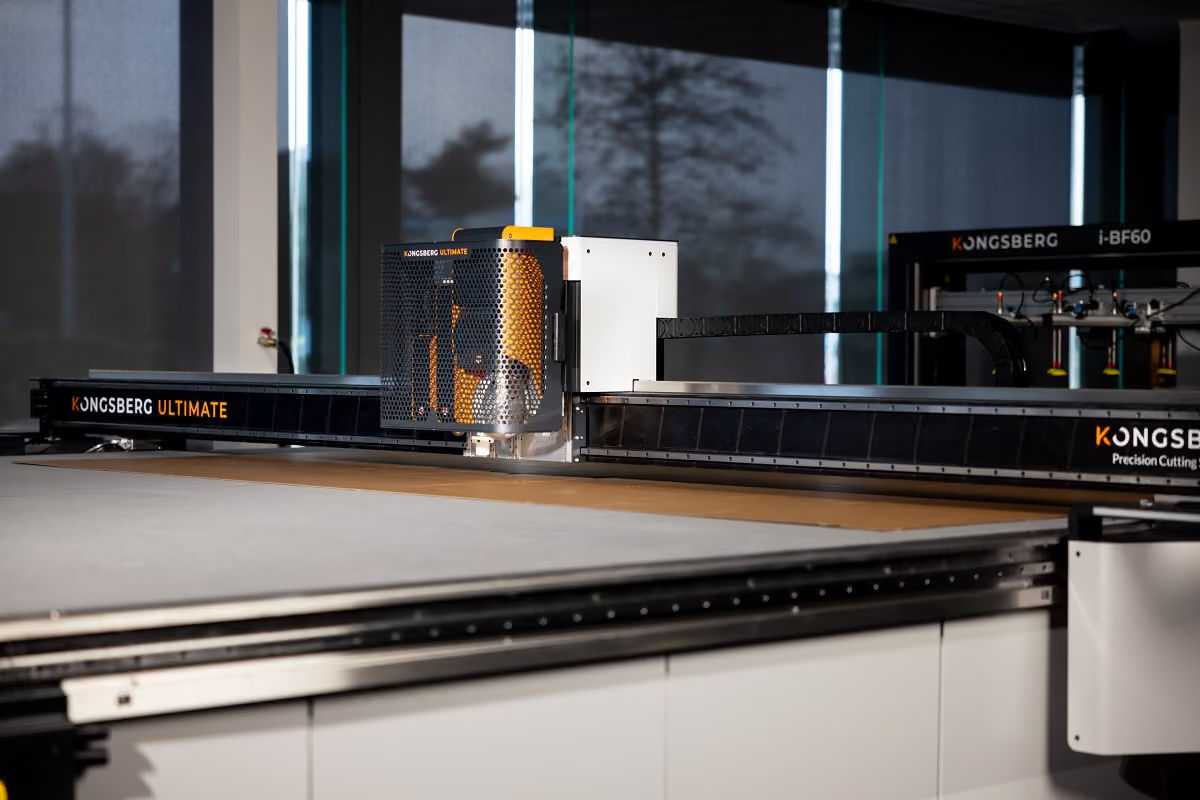
Built to handle the pressure of modern corrugated production
Tight deadlines, rising costs, quality that cannot slip. The Ultimate takes that pressure off with smart motion control, a strong carbon fiber beam and flexible automation options. Built for 24/7 production and easy to scale.
- Built for: high-volume corrugated and display production
- Typical work: packaging, displays, complex corrugated jobs
- Strength: the world's most productive digital cutting table
- Max. linear speed (XY): 167.5 m/min (2.8 m/s), acceleration up to 2.74 G
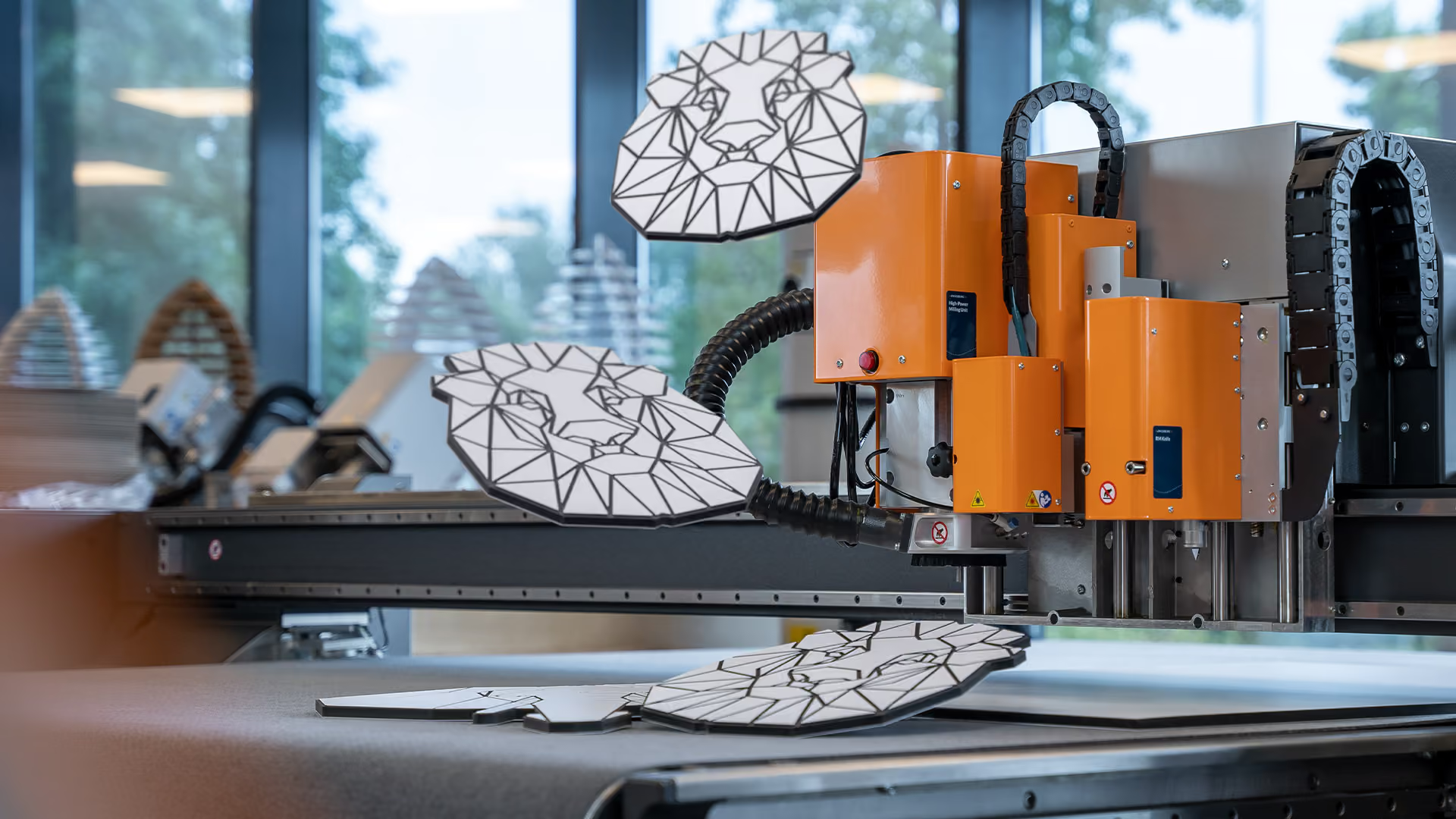

Precision and power for tough production challenges
Heavy-duty construction and advanced motion technology deliver high-speed precision cutting, even on the toughest materials. Packaging, signage or displays, the C keeps your workflow moving.
- Built for: 24/7 production
- Typical work: packaging, signage, displays, demanding materials
- Strength: heavy-duty construction and advanced motion technology
- Max. linear speed (XY): 100 m/min, acceleration up to 1.72 G
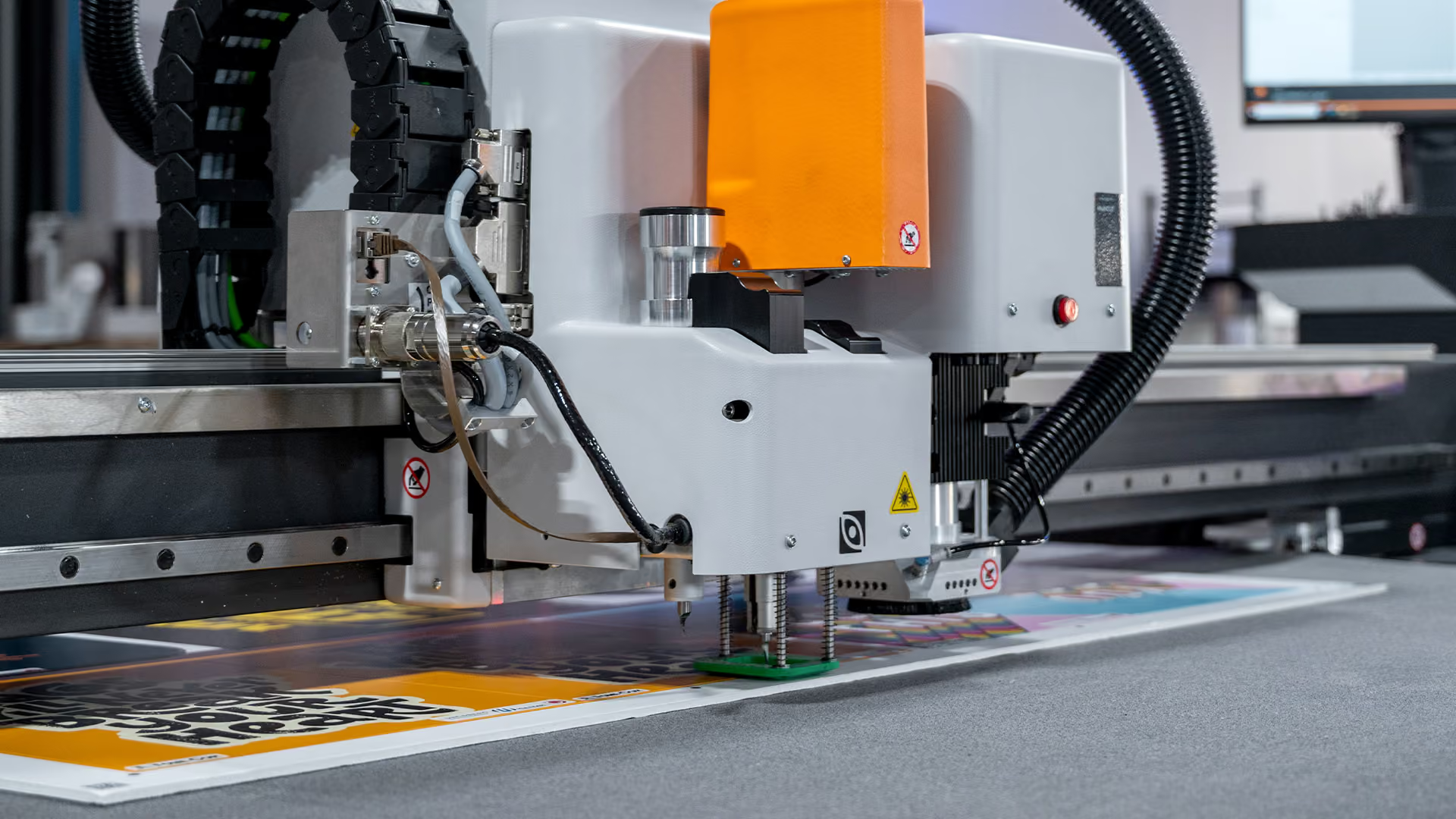

The most versatile flatbed cutter on the market
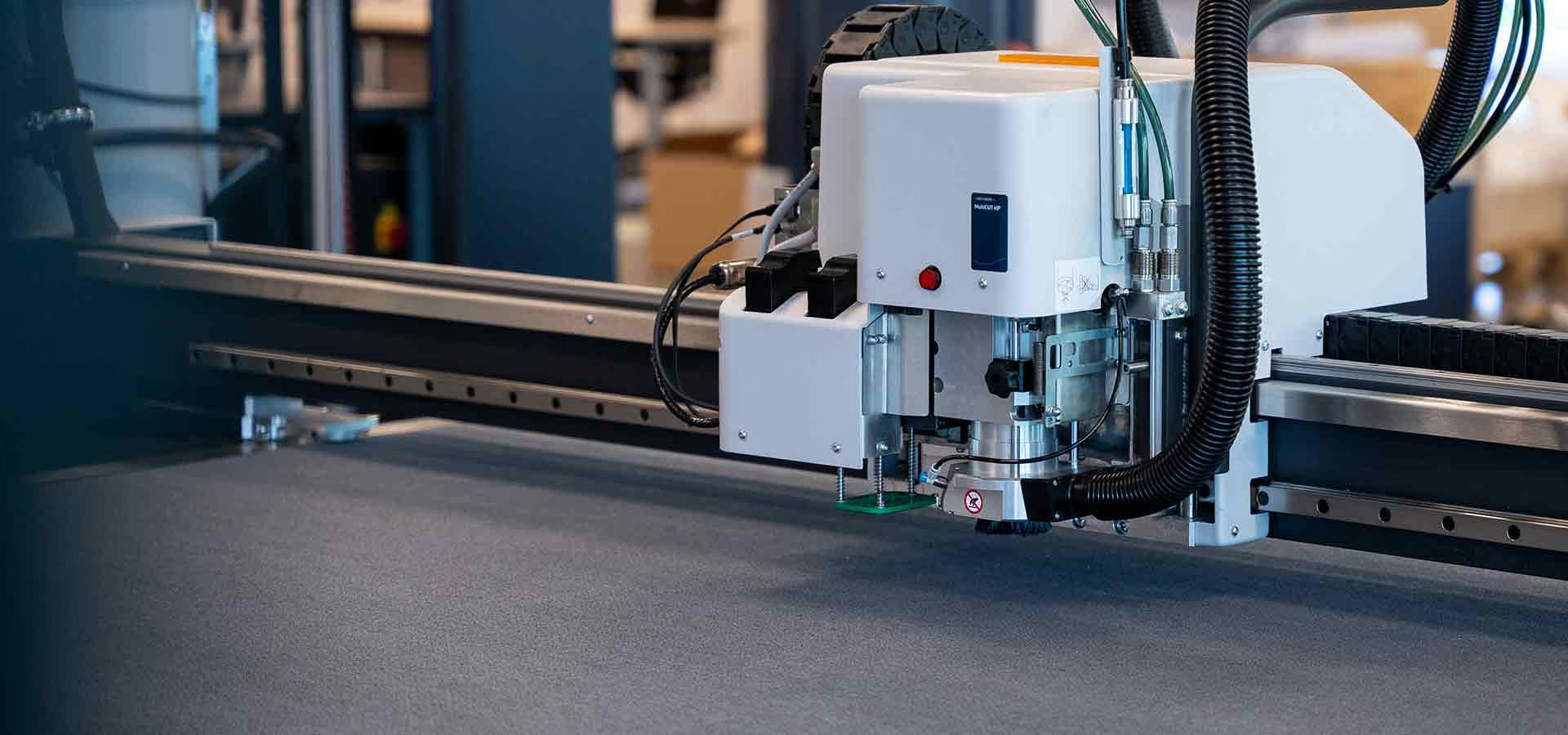
Balancing tight deadlines, varied materials and the need for consistent quality? The X delivers precise, high-quality cuts across a wide range of materials, so one table covers a lot of ground.
- Built for: versatility
- Typical work: mixed materials and mixed job types
- Strength: the widest application range on one platform
- Max. linear speed (XY): 50 m/min, acceleration up to 0.56 G
Applications
Where flatbed cutting pays off
The same table earns its keep in very different production floors. These are the four we see the most.
Real Impact
Proof from the production floor
Different materials, different volumes, different tables, same result: less handling, more output.
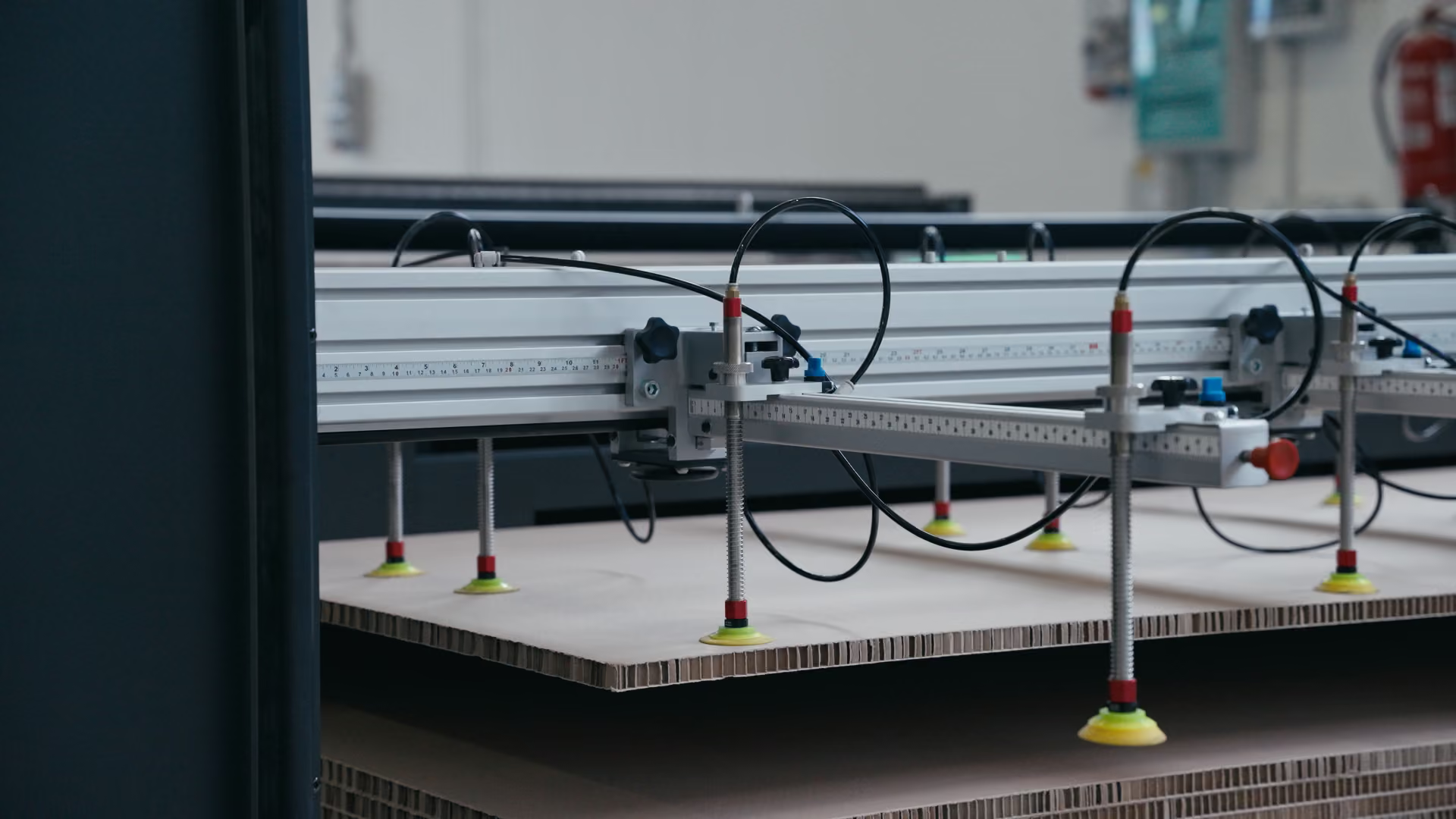
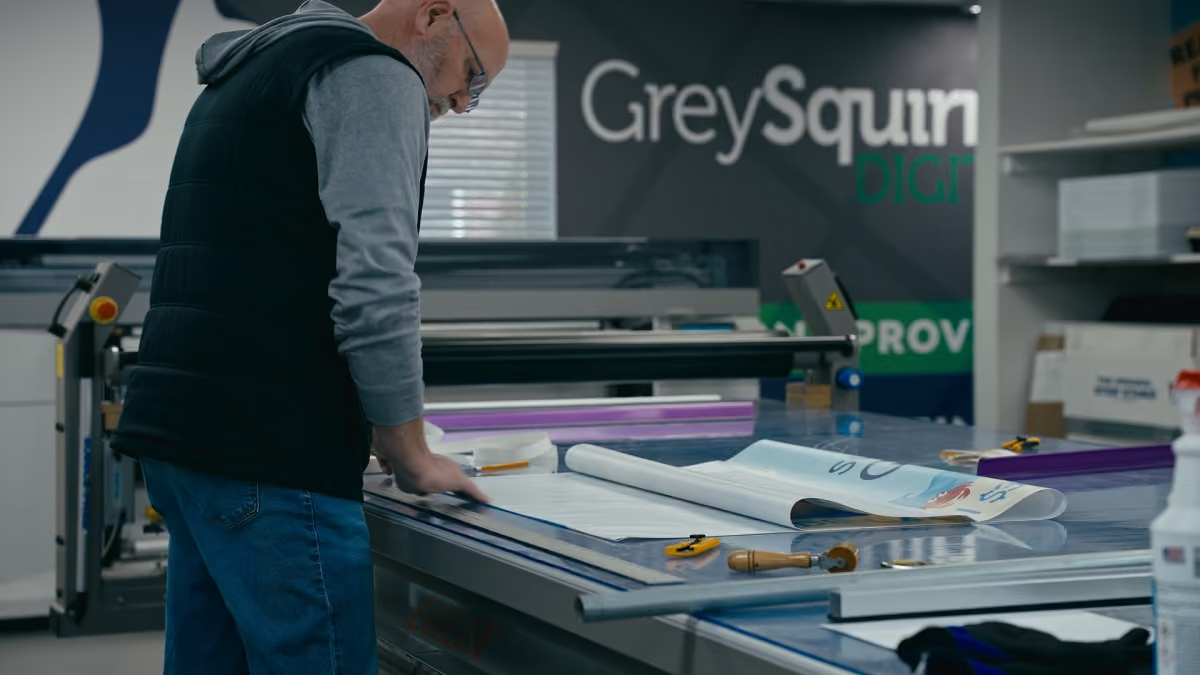

Volta Belting
|
Conveyor belt manufacturer
“We let the cutter run at night, the job is done in the morning”
The Kongsberg digital cutting tables are crucial for delivering accurate cuts on a range of substrates
- Meet customer demand for innovative designs
- Deliver beautiful cut quality
- Automated overnight operation
Before you ask
Frequently asked questions
How does a flatbed cutter work?
How does a flatbed cutter work?
A flatbed cutter holds material flat on the cutting table while a tool head follows paths from a digital file. Depending on the tooling, it can cut, crease, route or mill without requiring a physical die for each design.
What materials can a flatbed cutter cut?
What materials can a flatbed cutter cut?
A flatbed cutter can process a wide range of materials, including corrugated board, folding carton, foam, rigid and flexible materials, textiles and composites. The materials a specific machine can handle depend on its tooling and configuration.
How fast is a flatbed cutter?
How fast is a flatbed cutter?
Cutting speed depends on the cutting system and production requirements. Kongsberg flatbed cutters range from the X Series at 50 m/min and the C Series at 100 m/min to the Ultimate series at up to 167.5 m/min.
Is a flatbed cutter suitable for short runs?
Is a flatbed cutter suitable for short runs?
A flatbed cutter is well suited to short runs, prototypes and frequently changing jobs because the cutting path comes directly from a digital file. With no physical die required for each design, moving from one job to the next is fast and flexible.
What should I consider when choosing a flatbed cutter?
What should I consider when choosing a flatbed cutter?
Consider the materials and applications you need to process, your production volume, required finishing processes, working area and automation needs. These requirements will help determine which flatbed cutter and configuration best fit your production.